
Are lab diamonds more ethical? Exploring the sustainability of lab-grown diamonds
In recent years, the jewellery industry, like almost all industries, has experienced a major shift towards more ethical and sustainable practices. Lab-grown diamonds are emerging at the forefront of this movement, offering a solution to the problems associated with traditional diamond mining. But despite their increase in popularity, there are a lot of misconceptions out there about lab-grown diamonds. So, what are lab-grown diamonds? Are they the same as ‘normal’ diamonds? Are lab-grown diamonds more sustainable?
In this article, we’ll delve into the various aspects that contribute to the ethical and sustainable nature of lab-grown diamonds, offering insights into how they compare to their mined counterparts.
Understanding lab-grown diamonds
Lab-grown diamonds are created in controlled laboratory environments, using advanced technological processes that replicate the natural conditions under which diamonds form in the earth.
Typically, the primary method used when creating lab-grown diamonds is High Pressure-High Temperature (HPHT).
The HPHT method simulates the natural conditions under which diamonds form in the Earth’s mantle. This involves subjecting a small diamond seed to extremely high pressure and temperature.
Sustainable lab-grown diamonds are chemically, physically and optically identical to their natural counterparts. They exhibit the same hardness, density, refractive index and unique lustre that diamonds are renowned for. These similarities also extend to their crystal structure and chemical composition, both consisting of pure carbon arranged in a cubic crystal structure.
The environmental impact of diamond mining

When considering lab-grown diamonds sustainability, it’s important to note how they solve the problematic ecological impact associated with traditional diamond mining.
Mining for natural diamonds has significant environmental impacts, including land degradation, ecosystem disruption, water resource depletion and water pollution. Large-scale mining operations move vast amounts of earth, which can lead to soil erosion, deforestation and habitat destruction. The long-term environmental consequences of these operations are a growing concern as rehabilitating and restoring ecosystems once mining has ceased is challenging and often inadequate, leaving long-lasting scars on the landscape.
Comparing the carbon footprint

One of the main reasons that lab grown diamonds are more sustainable is because the carbon footprint of mined diamonds is considerably higher in comparison. The process of extracting diamonds from the earth, transporting them around the world, and processing them into finished gems contributes to a substantial release of carbon dioxide and other greenhouse gases.
Due to the fact that they have a shorter production cycle that is confined to a controlled environment, lab-grown diamonds are able to minimise their environmental impact.
Energy consumption in diamond production
Mining for natural diamonds is one of the most energy-demanding processes in the mineral extraction industry. It involves deep earth mining and alluvial mining, both of which require substantial energy inputs. The machinery used in the extraction process, including drills, excavators and transportation vehicles, primarily runs on fossil fuels. The processing of the rough diamonds into polished gems also involves further energy consumption, often in facilities that use non-renewable energy sources. On top of all of these factors, the dispersed nature of mining operations and the need to process the diamonds in different locations further add to the total energy footprint due to the extensive transportation involved.
Meanwhile, the production of sustainable lab-grown diamonds occurs in a controlled environment where energy usage can be carefully monitored and managed. This allows for more efficient use of energy and the potential to integrate renewable energy sources directly into the production process.
The role of renewable energy in diamond manufacturing
The integration of renewable energy sources in the production of sustainable lab-grown diamonds is a game-changer. Many manufacturers are moving towards using renewable energy sources, such as solar and wind power, reducing the overall environmental impact of their diamonds. This is a stark contrast to the traditional diamond mining operations that often rely on fossil fuels, contributing to higher carbon emissions.
Ethical and social considerations
Ethical considerations are critical when comparing sustainable lab-grown diamonds and mined diamonds. Lab-grown diamonds eliminate many of the ethical concerns associated with diamond mining, such as:
Labour Rights and Fair Working Conditions: Mined diamonds have often been associated with poor working conditions, exploitation and other human rights abuses. As lab-grown diamonds are produced in controlled laboratory settings, they bypass these issues. Eliminating Child Labour: Child labour is unfortunately a notorious problem in certain traditional diamond mining areas. The production of lab-grown diamonds does not involve any of these exploitative practices, providing an ethical alternative for consumers. Avoiding Conflict Diamonds: Mined diamonds, particularly in conflict zones, have been known to fund armed conflict and civil wars, leading to severe social and political unrest in those regions. Lab-grown diamonds offer a peaceful alternative, free from the stigma of financing conflict. Transparency and Traceability: The supply chain of mined diamonds can be opaque, making it tricky to trace the origins of a diamond to confirm that it is ethically sourced. On the other hand, lab-grown diamonds come with a clear and transparent supply chain. The future of sustainable diamond production
The diamond industry is at a turning point, with lab-grown diamond sustainability paving the way for greener production methods. As technology advances and awareness grows, the shift towards lab-grown diamonds could significantly reduce the jewellery industry's environmental and ethical footprint. By minimising the need for mining, the industry can alleviate the associated ecological damage and ethical issues. This shift also means reduced greenhouse gas emissions, less water usage and a decrease in the overall impact on biodiversity and ecosystems.
Making an informed choice
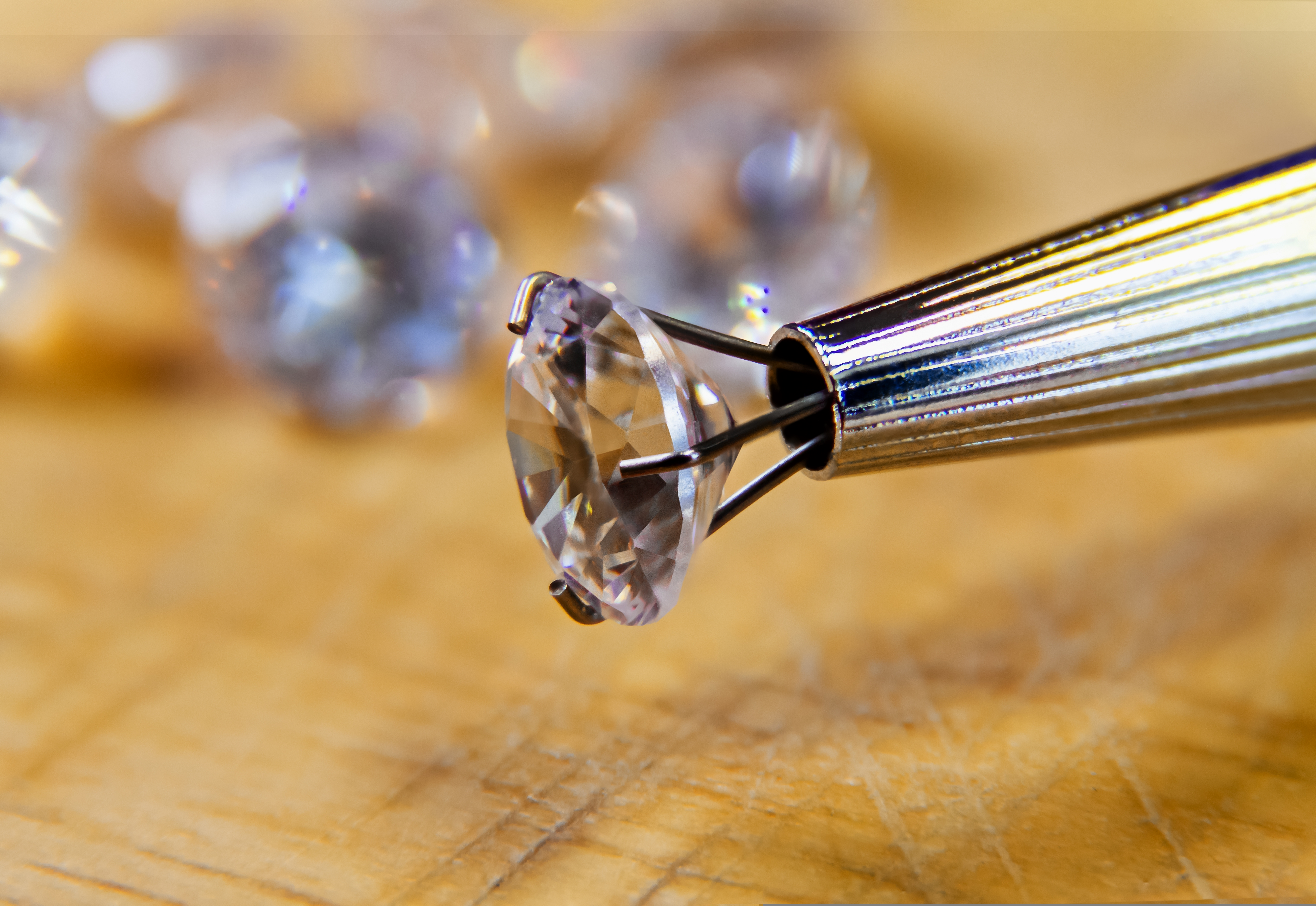
Consumers today are more informed and conscious about the origins of the products they purchase. When choosing between lab-grown and mined diamonds, it's crucial to consider the environmental, ethical and social implications of each option. Look for detailed information about the origin and production of diamonds to ensure that you can make a choice that aligns with your values.
The path towards sustainable diamonds
The journey towards sustainable diamonds is ongoing, with lab-grown diamonds leading the charge. As the industry evolves, it's likely that we will see further advancements in sustainable practices, making lab-grown diamonds an increasingly attractive option for ethically and environmentally conscious consumers.
Want to join this journey towards a more sustainable jewellery industry? Choose a stunning piece of jewellery that not only reflects your personal values but also contributes to a better future. Explore our exquisite collection of lab-grown diamonds today.





-275x181.jpg "Lab-Grown Diamond Myths and Facts")

.jpg)
 Unlock private sale access
 Birthday privileges
 Plus a world of exclusives, curated for you.


Are lab diamonds more ethical? Exploring the sustainability of lab-grown diamonds
In recent years, the jewellery industry, like almost all industries, has experienced a major shift towards more ethical and sustainable practices. Lab-grown diamonds are emerging at the forefront of this movement, offering a solution to the problems associated with traditional diamond mining. But despite their increase in popularity, there are a lot of misconceptions out there about lab-grown diamonds. So, what are lab-grown diamonds? Are they the same as ‘normal’ diamonds? Are lab-grown diamonds more sustainable?
In this article, we’ll delve into the various aspects that contribute to the ethical and sustainable nature of lab-grown diamonds, offering insights into how they compare to their mined counterparts.
Understanding lab-grown diamonds
Lab-grown diamonds are created in controlled laboratory environments, using advanced technological processes that replicate the natural conditions under which diamonds form in the earth.
Typically, the primary method used when creating lab-grown diamonds is High Pressure-High Temperature (HPHT).
The HPHT method simulates the natural conditions under which diamonds form in the Earth’s mantle. This involves subjecting a small diamond seed to extremely high pressure and temperature.
Sustainable lab-grown diamonds are chemically, physically and optically identical to their natural counterparts. They exhibit the same hardness, density, refractive index and unique lustre that diamonds are renowned for. These similarities also extend to their crystal structure and chemical composition, both consisting of pure carbon arranged in a cubic crystal structure.
The environmental impact of diamond mining
When considering lab-grown diamonds sustainability, it’s important to note how they solve the problematic ecological impact associated with traditional diamond mining.
Mining for natural diamonds has significant environmental impacts, including land degradation, ecosystem disruption, water resource depletion and water pollution. Large-scale mining operations move vast amounts of earth, which can lead to soil erosion, deforestation and habitat destruction. The long-term environmental consequences of these operations are a growing concern as rehabilitating and restoring ecosystems once mining has ceased is challenging and often inadequate, leaving long-lasting scars on the landscape.
Comparing the carbon footprint
One of the main reasons that lab grown diamonds are more sustainable is because the carbon footprint of mined diamonds is considerably higher in comparison. The process of extracting diamonds from the earth, transporting them around the world, and processing them into finished gems contributes to a substantial release of carbon dioxide and other greenhouse gases.
Due to the fact that they have a shorter production cycle that is confined to a controlled environment, lab-grown diamonds are able to minimise their environmental impact.
Energy consumption in diamond production
Mining for natural diamonds is one of the most energy-demanding processes in the mineral extraction industry. It involves deep earth mining and alluvial mining, both of which require substantial energy inputs. The machinery used in the extraction process, including drills, excavators and transportation vehicles, primarily runs on fossil fuels. The processing of the rough diamonds into polished gems also involves further energy consumption, often in facilities that use non-renewable energy sources. On top of all of these factors, the dispersed nature of mining operations and the need to process the diamonds in different locations further add to the total energy footprint due to the extensive transportation involved.
Meanwhile, the production of sustainable lab-grown diamonds occurs in a controlled environment where energy usage can be carefully monitored and managed. This allows for more efficient use of energy and the potential to integrate renewable energy sources directly into the production process.
The role of renewable energy in diamond manufacturing
The integration of renewable energy sources in the production of sustainable lab-grown diamonds is a game-changer. Many manufacturers are moving towards using renewable energy sources, such as solar and wind power, reducing the overall environmental impact of their diamonds. This is a stark contrast to the traditional diamond mining operations that often rely on fossil fuels, contributing to higher carbon emissions.
Ethical and social considerations
Ethical considerations are critical when comparing sustainable lab-grown diamonds and mined diamonds. Lab-grown diamonds eliminate many of the ethical concerns associated with diamond mining, such as:
The future of sustainable diamond production
The diamond industry is at a turning point, with lab-grown diamond sustainability paving the way for greener production methods. As technology advances and awareness grows, the shift towards lab-grown diamonds could significantly reduce the jewellery industry's environmental and ethical footprint. By minimising the need for mining, the industry can alleviate the associated ecological damage and ethical issues. This shift also means reduced greenhouse gas emissions, less water usage and a decrease in the overall impact on biodiversity and ecosystems.
Making an informed choice
Consumers today are more informed and conscious about the origins of the products they purchase. When choosing between lab-grown and mined diamonds, it's crucial to consider the environmental, ethical and social implications of each option. Look for detailed information about the origin and production of diamonds to ensure that you can make a choice that aligns with your values.
The path towards sustainable diamonds
The journey towards sustainable diamonds is ongoing, with lab-grown diamonds leading the charge. As the industry evolves, it's likely that we will see further advancements in sustainable practices, making lab-grown diamonds an increasingly attractive option for ethically and environmentally conscious consumers.
Want to join this journey towards a more sustainable jewellery industry? Choose a stunning piece of jewellery that not only reflects your personal values but also contributes to a better future. Explore our exquisite collection of lab-grown diamonds today.